
Introduction
The luxury fashion industry is experiencing a remarkable transformation as designers explore innovative materials that combine elegance, sustainability, and advanced technology. Among the most promising developments are biomaterial textiles made from mushroom mycelium and algae. These renewable biological resources offer alternatives to conventional fabrics and animal-derived materials while opening new possibilities for premium fashion accessories, clothing, and lifestyle products.
As environmental awareness influences consumer preferences, biomaterial textiles are becoming an exciting area of experimentation for luxury brands seeking to balance sophisticated design with responsible production.
Understanding Biomaterial Textiles
Biomaterial textiles are materials created using biological resources such as fungi, algae, bacteria, and plant-based compounds. Unlike conventional synthetic fabrics that often depend on petroleum-derived ingredients, many biomaterials use renewable feedstocks and biological production processes.
Their properties vary significantly depending on how they are manufactured. Some resemble leather, while others can be processed into fibers, coatings, flexible sheets, or decorative surfaces.
The primary goal is to develop materials that meet modern expectations for comfort, durability, appearance, and functionality while potentially reducing environmental impacts.
Mushroom Mycelium: A New Approach to Luxury Leather
Mycelium is the interconnected network of thread-like structures that forms the vegetative body of fungi. Under controlled conditions, it can grow through agricultural substrates and develop into dense structures suitable for further processing.
Manufacturers can cultivate mycelium into sheets that are treated and finished to create leather-like materials.
Benefits of Mycelium-Based Materials
1. Renewable Production
Mycelium can grow on selected agricultural byproducts, creating opportunities to use resources that might otherwise become waste.
2. Customizable Texture
Manufacturers can influence the thickness, flexibility, and surface characteristics of mycelium materials through cultivation and finishing techniques.
3. Potentially Lower Resource Requirements
Some mycelium production methods may require less land than conventional livestock-based leather production. However, the overall environmental impact depends on energy consumption, processing chemicals, and finishing methods.
4. Luxury Design Potential
Mycelium-based materials can be developed for handbags, wallets, footwear, and decorative accessories, offering designers distinctive textures and visual characteristics.
Despite these advantages, commercial applications still face challenges involving consistency, durability, scalability, and production costs.
Algae-Based Textiles: Innovation from Aquatic Resources
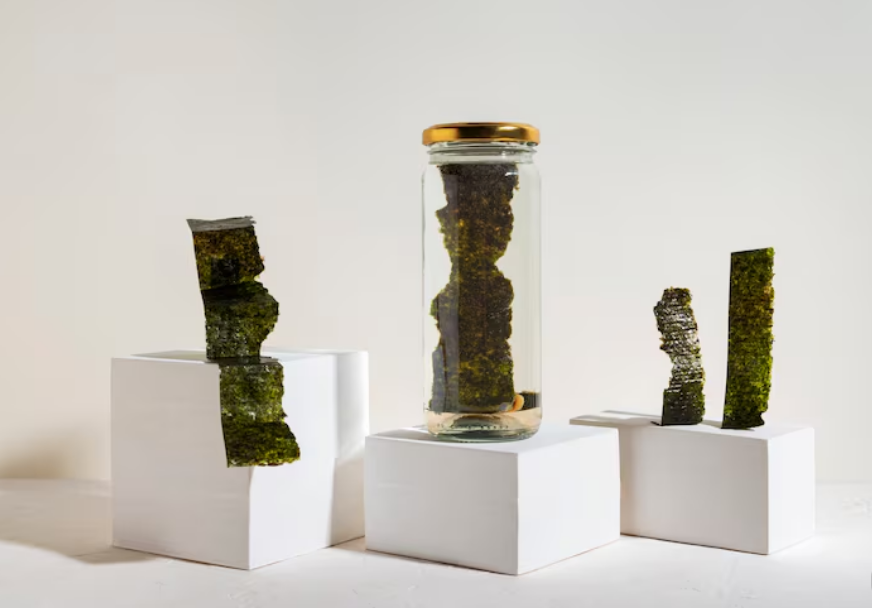
Algae represent another promising resource for next-generation materials. These aquatic organisms include microalgae and seaweed, some of which contain compounds that can be incorporated into fibers, films, dyes, and flexible materials.
Algae-derived ingredients are being investigated as alternatives to certain conventional textile components.
How Algae Contribute to Fashion Innovation
Bio-Based Fibers: Algae-derived compounds can be blended with other substances to produce experimental fibers and textile structures.
Natural Pigments: Certain algae contain pigments that may support alternative coloring processes, although stability and colorfastness remain important challenges.
Flexible Materials: Seaweed-derived polymers, including alginates, can help create films, coatings, and experimental textile applications.
Renewable Feedstocks: Some algae can be cultivated without occupying conventional agricultural land, although water quality, nutrients, harvesting, and drying requirements influence sustainability.
These characteristics make algae appealing for designers interested in unusual textures, innovative surface finishes, and environmentally conscious material development.
Why Luxury Brands Are Exploring Biomaterials
Luxury brands traditionally emphasize craftsmanship, exclusivity, superior materials, and distinctive aesthetics. Biomaterial textiles introduce another dimension to these values by connecting sophisticated design with scientific innovation.
Designers can experiment with new surfaces, patterns, and finishes that distinguish biomaterial products from conventional leather or synthetic accessories.
Furthermore, growing consumer interest in product transparency encourages brands to investigate where their materials originate and how they are manufactured.
Biomaterials may also support limited-edition collections that highlight innovative craftsmanship and experimental design.
However, sustainable branding must be supported by measurable evidence rather than assumptions about natural ingredients.
Challenges Facing Biomaterial Luxury Goods
Although mycelium and algae-based materials offer considerable potential, several obstacles remain.
Durability and Performance
Luxury products must withstand regular handling, moisture, abrasion, and long-term use. Some experimental biomaterials require additional treatments to achieve these properties.
Manufacturing Costs
Specialized cultivation systems, research, processing equipment, and quality control can make biomaterials expensive compared with established alternatives.
Production Scalability
Producing consistent materials in large quantities remains challenging for certain technologies.
Environmental Verification
Not every biomaterial is biodegradable or environmentally superior. Synthetic coatings, chemical treatments, and blended components can significantly change a product’s environmental profile.
Independent testing and lifecycle assessments are therefore essential.
The Future of Mushroom and Algae-Based Luxury Fashion
Advances in biotechnology, material engineering, and manufacturing could expand the commercial possibilities of biomaterial textiles.
Future innovations may improve flexibility, durability, surface quality, and production efficiency. Designers could also combine different biological materials to create distinctive fabrics and accessories.
Collaboration between scientists, fashion designers, manufacturers, and sustainability specialists will play an important role in bringing these technologies into broader markets.
As material research progresses, biomaterials may become increasingly relevant to luxury fashion collections, interior furnishings, and premium lifestyle products.
Conclusion
Mushroom mycelium and algae are introducing exciting possibilities for the future of luxury textiles. Their renewable origins, adaptable properties, and distinctive design potential make them valuable subjects for material innovation.
Although technical and environmental challenges remain, continued research could help transform these experimental resources into practical luxury products. By combining biotechnology with traditional craftsmanship, the fashion industry has an opportunity to develop beautiful materials that reflect changing expectations for quality, creativity, and environmental responsibility.
Read More : 150+ Best Red Captions For Instagram: Bold, Cute & Aesthetic