
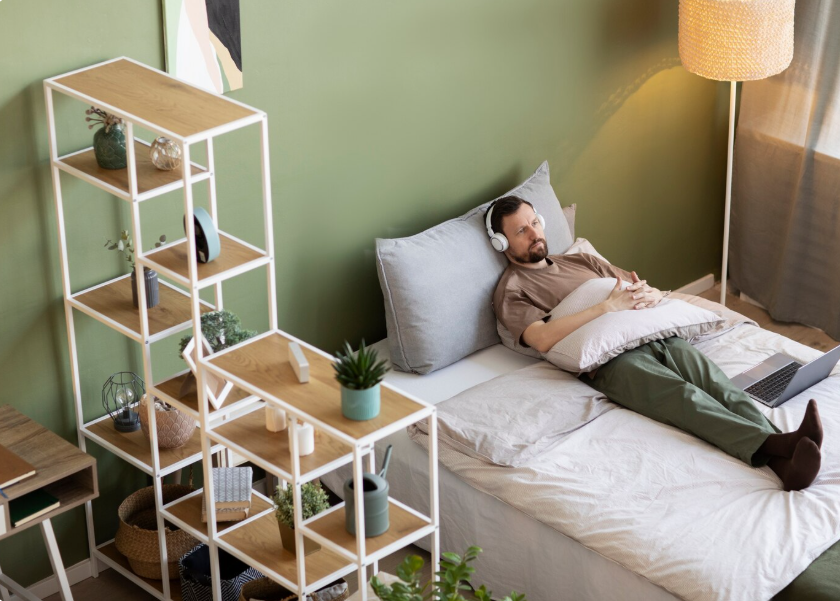
Introduction
As urban populations grow and living spaces become smaller, homeowners and renters are searching for innovative ways to maximize comfort without sacrificing functionality. Modular micro-furniture has emerged as a practical solution, offering flexible designs that adapt to different activities and spatial requirements.
Unlike traditional furniture, which often serves a single purpose, modular micro-furniture combines adaptability, efficiency, and modern aesthetics. From expandable tables to convertible sofas, these innovative pieces are transforming ultra-compact apartments into comfortable, organized, and versatile living environments.
What Is Modular Micro-Furniture?
Modular micro-furniture refers to compact furnishings designed with interchangeable, adjustable, or multifunctional components. These pieces can be rearranged, folded, stacked, or expanded depending on the available space and the user’s needs.
For example, a modular seating system might function as a sofa during the day and transform into a sleeping arrangement at night. Similarly, nesting tables can provide additional surfaces when needed and fit together neatly when not in use.
The primary goal is to create furniture that supports multiple activities while occupying minimal space.
Why Modular Furniture Is Ideal for Small Spaces
1. Maximizes Available Floor Space
Every square foot matters in a compact home. Modular furniture helps preserve valuable floor space by eliminating the need for multiple bulky items.
Wall-mounted desks, folding dining tables, and stackable chairs allow residents to maintain an open layout while accessing essential furniture whenever required.
2. Supports Multifunctional Living
Modern apartments often combine living, working, dining, and sleeping areas within a single room.
Modular furniture makes these transitions easier. A compact workstation can become a dining table, while an adjustable storage unit can separate different functional zones without requiring permanent walls.
This flexibility allows residents to use the same space efficiently throughout the day.
3. Encourages Better Organization
Clutter can quickly overwhelm a small room. Furniture with integrated storage provides convenient places for everyday essentials.
Ottomans with hidden compartments, beds with built-in drawers, and modular shelving systems reduce the need for additional cabinets.
These solutions help maintain a cleaner and more organized interior.
Innovative Modular Micro-Furniture Ideas
Convertible Sofa Beds
Convertible sofa beds are particularly useful in studio apartments and small guest rooms.
Modern designs often feature compact mechanisms that allow seating to transform into a comfortable sleeping surface. Some models also include storage compartments for pillows, blankets, and other essentials.
Expandable Dining Tables
Expandable tables offer flexibility for individuals who occasionally entertain guests.
A compact table can serve as a daily workspace or breakfast station and expand when additional dining space is needed.
Foldable or wall-mounted alternatives are especially effective in narrow rooms.
Modular Storage Cubes
Storage cubes provide customizable organization without requiring large furniture installations.
They can be stacked vertically, arranged horizontally, or separated into smaller units. Depending on their construction, they may serve as bookshelves, decorative displays, bedside storage, or room dividers.
Foldable Workstations
With remote work becoming a regular part of modern life, compact workstations are increasingly valuable.
Wall-mounted desks and foldable office furniture allow residents to establish productive working environments without permanently dedicating an entire room to office activities.
Transformative Layouts for Ultra-Compact Homes
The effectiveness of modular micro-furniture depends on thoughtful interior planning.
Day-to-Night Layout: A living room can transform into a bedroom using a Murphy bed or convertible sofa. Lightweight tables and movable seating make the transition smoother.
Work-to-Relaxation Layout: A folding desk can create a temporary workstation during business hours. Once work is finished, the desk can be closed to restore a comfortable relaxation area.
Flexible Entertainment Layout: Modular seating and nesting tables allow residents to rearrange furniture when hosting visitors. Afterward, the pieces can return to their compact configurations.
These adaptable arrangements help small homes accommodate changing daily activities.
Choosing the Right Materials and Designs
Material selection plays an important role in the durability and functionality of modular furniture.
Lightweight engineered wood, aluminum, and durable composite materials are commonly used in compact furniture construction. Solid wood can also be suitable when weight and dimensions permit.
Neutral colors, slim profiles, and clean lines can make interiors appear less crowded.
Before purchasing, homeowners should evaluate furniture dimensions, weight capacity, assembly requirements, and the reliability of folding or connecting mechanisms.
Easy maintenance and long-term durability are equally important considerations.
Sustainability and Long-Term Value
Modular micro-furniture can support sustainable living by reducing unnecessary furniture purchases.
Instead of replacing an entire furnishing system, residents may be able to rearrange existing components or add compatible modules as their requirements change.
Durable materials, repairable components, and adaptable construction can also extend product lifespans.
However, sustainability depends on manufacturing practices, material quality, and how long the furniture remains useful.
Conclusion
Modular micro-furniture is redefining how people approach interior design in ultra-compact homes. By combining multifunctional features, flexible configurations, and efficient storage, these innovative furnishings make limited spaces more comfortable and practical.
Whether furnishing a studio apartment, compact bedroom, or small home office, carefully selected modular furniture can transform everyday living.
As housing needs continue to evolve, adaptable furniture solutions will remain an important part of creating functional, attractive, and space-efficient homes.
Read More :Feline Spatial Enrichment: Vertical Territory Design for Indoor Cats