
Introduction
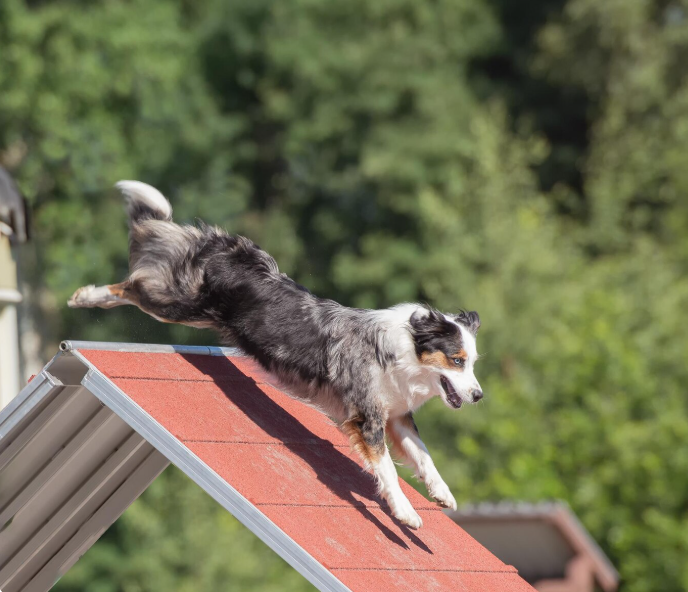
Keeping dogs physically active involves more than daily walks, running, or playing fetch. While traditional exercise improves endurance and overall fitness, proprioceptive training focuses on developing body awareness, balance, coordination, and controlled movement. These skills are especially valuable for active dogs that participate in agility competitions, hiking, sporting activities, or energetic outdoor adventures.
Proprioceptive canine fitness combines carefully designed balance and strengthening exercises to help dogs understand how their bodies move through different environments. With consistent practice, these activities can improve movement efficiency, strengthen supporting muscles, and contribute to better physical stability.
What Is Proprioception in Dogs?
Proprioception refers to the body’s ability to recognize the position and movement of its limbs without constantly relying on vision. This internal awareness allows dogs to navigate uneven surfaces, adjust their posture, and coordinate movements during physical activities.
For example, when a dog walks across rocky terrain or jumps over a small obstacle, proprioceptive signals help the nervous system coordinate paw placement and maintain stability.
Developing these abilities through structured exercises can support controlled movement and potentially reduce certain movement-related risks.
Why Proprioceptive Fitness Matters
Proprioceptive training offers several benefits for physically active dogs.
1. Improved Balance and Stability
Balance exercises encourage dogs to engage stabilizing muscles that support posture and controlled movement. This can be useful when navigating slippery surfaces, uneven ground, or challenging outdoor environments.
2. Better Coordination
Exercises requiring precise paw placement help dogs develop more deliberate movements. Improved coordination can benefit dogs participating in agility, obedience, and recreational sports.
3. Increased Functional Strength
Controlled strengthening movements engage muscles in the legs, shoulders, hips, and core. These muscles contribute to stability during everyday physical activities.
4. Greater Body Awareness
Dogs that practice controlled movement exercises become more familiar with adjusting their positions in response to environmental challenges.
5. Mental Stimulation
Learning new physical exercises requires attention, patience, and problem-solving. This combination of mental and physical activity can make fitness sessions more engaging.
Effective Balance and Strength Drills for Dogs
Introducing proprioceptive exercises gradually helps dogs build confidence and develop proper movement patterns.
1. Cavaletti Pole Walking
Cavaletti exercises involve placing low poles or obstacles along a walking path.
Encourage your dog to walk slowly over the poles while maintaining a natural posture. This activity promotes deliberate paw placement, coordination, and limb awareness.
Start with very low obstacles and adjust spacing according to your dog’s size and stride.
2. Controlled Sit-to-Stand Exercises
Sit-to-stand movements help strengthen muscles supporting the hips and hind legs.
Ask your dog to sit in a balanced position before standing slowly. Repeat a few times while rewarding controlled movements.
Avoid allowing the dog to rush, twist excessively, or repeatedly shift weight unevenly.
3. Front Paw Targeting
Place a stable, low platform on a nonslip surface and encourage your dog to position both front paws on it.
This exercise develops paw awareness and supports controlled weight shifting.
Once your dog is comfortable, introduce small, deliberate changes in position under supervision.
4. Slow Figure-Eight Walking
Arrange two cones several feet apart and guide your dog through a figure-eight pattern.
Slow turns encourage coordinated movement, controlled weight transfer, and awareness of body positioning.
Keep the turns wide enough to avoid uncomfortable twisting.
5. Uneven Surface Walking
Walking across safe, slightly varied surfaces can challenge balance and coordination.
Begin with firm grass or stable textured mats. Avoid unstable equipment until your dog has developed sufficient control and confidence.
The objective is careful movement rather than speed.
6. Backward Walking
Teaching a dog to take a few steps backward can improve awareness of hind-limb placement.
Use positive reinforcement to encourage slow backward movement along a clear, nonslip path.
Keep initial sessions short and reward even small improvements.
Creating a Safe Training Routine
A successful canine fitness routine should prioritize safety, consistency, and gradual progression.
Begin with a gentle warm-up walk before introducing balance activities. Choose two or three exercises and practice them for short periods.
For healthy adult dogs, an introductory session of approximately 5–10 minutes may be sufficient, depending on fitness and tolerance.
Always use stable equipment, provide fresh water, and allow adequate recovery between exercises.
Puppies, senior dogs, and dogs with joint conditions, neurological problems, or previous injuries require individualized guidance from a veterinarian or qualified canine rehabilitation professional.
Stop training immediately if your dog shows discomfort, limping, unusual fatigue, or reluctance to participate.
Common Training Mistakes to Avoid
One common mistake is introducing challenging balance equipment before a dog has mastered basic movements. Progressing too quickly may encourage compensatory movement patterns or increase injury risk.
Another mistake is focusing on repetitions instead of exercise quality. A few controlled movements are generally more useful than numerous rushed attempts.
Positive reinforcement is also essential. Dogs should feel comfortable and motivated rather than pressured to complete unfamiliar activities.
Conclusion
Proprioceptive canine fitness provides a practical way to develop balance, coordination, functional strength, and body awareness in active dogs. Simple activities such as cavaletti walking, paw targeting, controlled sit-to-stand movements, and figure-eight walking can create a valuable foundation for safer, more confident movement.
By choosing appropriate exercises, progressing gradually, and prioritizing proper technique, dog owners can make proprioceptive training an enjoyable part of their pets’ long-term fitness routines.
Read More : Cognitive Reserve Building: Neuroplasticity Strategies to Delay Age-Related Decline