
Introduction
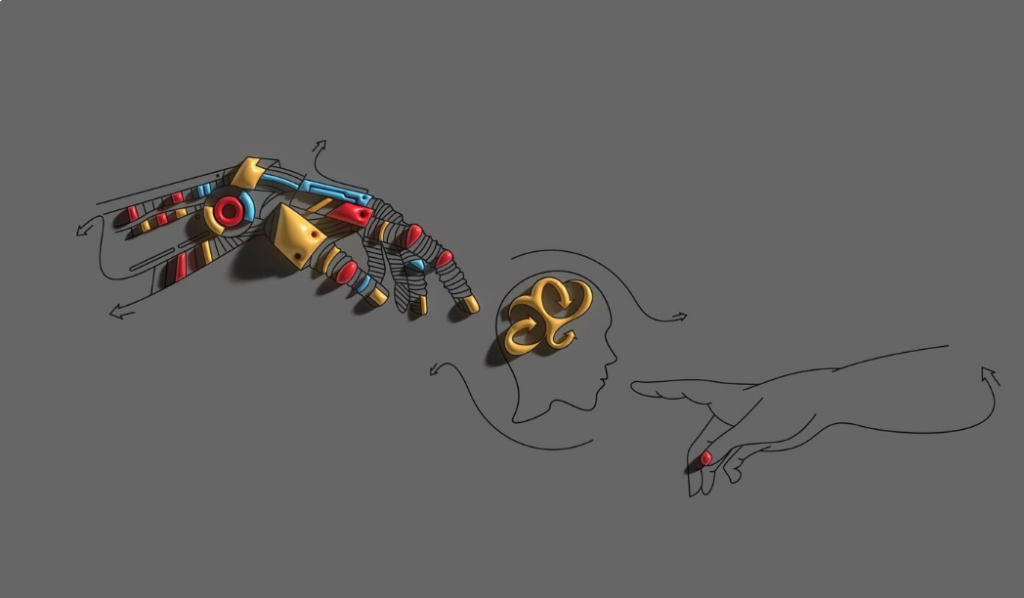
Art has always evolved alongside technology, from traditional painting techniques to photography, digital illustration, and computer-generated imagery. Today, artificial intelligence is introducing another major transformation through a creative approach known as neural realism. By combining machine learning with artistic imagination, neural realism allows creators to develop visual styles that blend lifelike details with imaginative elements.
This emerging approach is changing how artists experiment with textures, lighting, composition, and visual storytelling. Rather than simply reproducing reality, machine intelligence helps artists explore new interpretations of the world.
What Is Neural Realism?
Neural realism can be understood as an artistic approach that uses artificial neural networks to generate or transform images with realistic visual qualities. Unlike traditional realism, which depends primarily on human observation and manual techniques, neural realism uses computational models trained to recognize visual patterns.
These systems can analyze elements such as facial structures, natural landscapes, lighting conditions, and material textures. They then use learned relationships to produce images that may appear realistic while incorporating artistic variations.
Although neural realism is not a universally defined art movement, the term reflects the growing intersection between artificial intelligence and realistic digital image creation.
How Machine Intelligence Creates Artistic Styles
Machine intelligence introduces new possibilities by processing large collections of visual information and identifying relationships between different artistic features.
1. Learning From Visual Patterns
AI image-generation systems learn statistical patterns from training datasets containing photographs, illustrations, paintings, and other visual material. These patterns help models understand how shapes, colors, textures, and compositions relate to one another.
Artists can use these capabilities to create images with specific visual characteristics without manually constructing every detail.
2. Combining Different Artistic Influences
One of the most interesting aspects of AI-assisted art is its ability to blend multiple visual approaches.
For example, an artist might combine the detailed lighting of classical painting with futuristic architecture or merge photographic realism with surreal environments. This flexibility makes it easier to explore combinations that would otherwise require extensive experimentation.
3. Generating Realistic Textures
Textures contribute significantly to the emotional and visual quality of artwork. Machine intelligence can generate convincing representations of surfaces such as polished metal, aged stone, flowing fabric, and human skin.
These capabilities are especially useful in digital illustration, concept art, animation, and virtual environment design.
The Role of Human Creativity
Despite the capabilities of artificial intelligence, human creativity remains essential to meaningful artistic expression.
AI systems can generate visual content, but artists provide creative direction through decisions about subject matter, composition, emotional tone, and artistic purpose.
For example, a digital artist might use an AI-generated landscape as an initial concept before modifying its colors, adding original elements, and adjusting the atmosphere to communicate a particular story.
This collaboration allows technology to support creative exploration while leaving important artistic decisions in human hands.
Applications of Neural Realism in Creative Industries
Neural realism has potential applications across several creative industries.
Digital Art and Illustration
Artists can experiment with realistic portraits, imaginative landscapes, and unusual visual combinations. AI-assisted workflows may also reduce the time required to explore different concepts.
Film and Animation
Filmmakers and animation studios can use machine-learning tools to develop visual concepts, reference images, and experimental environments during preproduction.
Video Game Design
Game developers can explore character concepts, environmental textures, and visual themes through AI-assisted generation. These techniques may help creative teams evaluate multiple artistic directions.
Advertising and Branding
Designers can experiment with distinctive imagery for promotional campaigns, product concepts, and brand storytelling. Human review remains necessary to ensure consistency, originality, and appropriate usage rights.
Challenges and Ethical Considerations
While neural realism offers exciting opportunities, it also introduces important challenges.
One major concern involves copyright and the use of existing artwork in AI training datasets. Artists and technology companies continue to debate appropriate permissions, attribution, and compensation.
Another challenge is visual authenticity. Highly realistic AI-generated images can sometimes be mistaken for genuine photographs, creating risks involving misinformation and misleading representations.
Creative professionals must also consider whether excessive dependence on automated generation could weaken the development of traditional artistic skills.
Responsible AI art practices should emphasize transparency, respect for creators, and thoughtful human oversight.
The Future of Neural Realism
As machine-learning technology advances, neural realism may become more flexible, interactive, and accessible.
Future creative tools could offer greater control over lighting, perspective, character consistency, and detailed image editing. Artists may be able to move more easily between traditional drawing, three-dimensional design, and AI-generated visuals.
Rather than replacing existing artistic traditions, these developments could introduce additional techniques that expand the possibilities of visual expression.
The most meaningful progress will likely come from combining technological capabilities with individual imagination and artistic judgment.
Conclusion
Neural realism represents an evolving intersection of machine intelligence and artistic creativity. By enabling realistic image generation, visual experimentation, and combinations of different artistic influences, AI is expanding the creative tools available to modern artists.
However, technology alone does not determine artistic value. Original ideas, emotional expression, and thoughtful creative decisions remain fundamental to memorable artwork.
As artificial intelligence continues to develop, neural realism may help define new visual languages while encouraging artists to reconsider the boundaries between reality, imagination, and digital creativity.
Read More : The Ephemeral Canvas: Why Street Artists Are Embracing Impermanence