
Introduction
The transportation industry is entering a new era of innovation, driven by artificial intelligence, automation, and connected technologies. As cities expand and businesses demand faster deliveries, traditional fleet management methods face increasing challenges. Autonomous fleet logistics is emerging as a promising solution, transforming how vehicles transport goods and passengers.
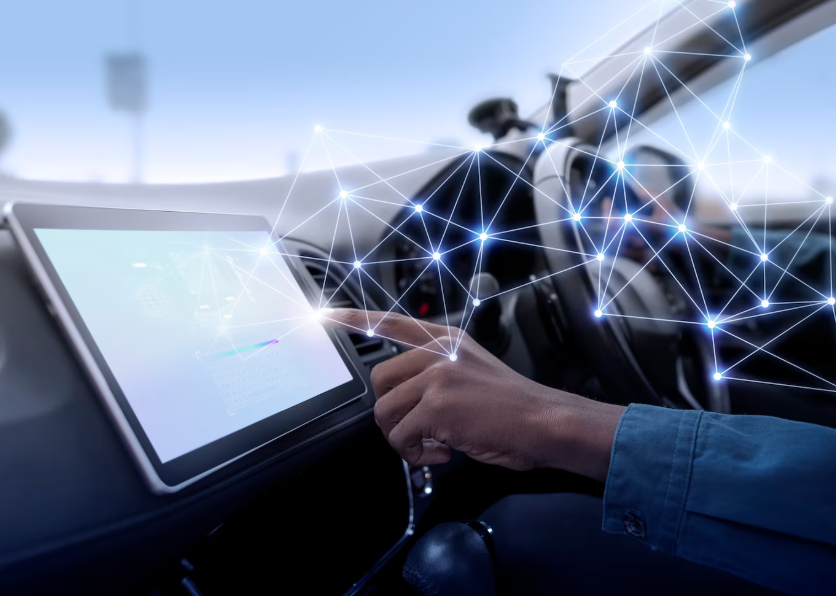
Although self-driving vehicles attract considerable attention, the sophisticated systems operating behind them are equally important. Autonomous fleet logistics coordinates vehicles, routes, maintenance, and deliveries to create transportation networks that are more efficient, reliable, and adaptable.
Understanding Autonomous Fleet Logistics
Autonomous fleet logistics refers to the use of self-driving technologies, artificial intelligence, connected sensors, and intelligent management platforms to coordinate transportation operations with reduced human intervention.
Unlike traditional logistics systems, which depend heavily on manual scheduling and monitoring, autonomous fleets use real-time information to support operational decisions.
These systems can analyze road conditions, monitor vehicle performance, optimize delivery schedules, and respond to unexpected disruptions.
The goal is not simply to replace human drivers but to develop a connected transportation ecosystem that improves efficiency while maintaining safety and accountability.
The Role of Artificial Intelligence in Fleet Operations
Artificial intelligence serves as the foundation of autonomous fleet management. AI-powered platforms process large volumes of information collected from cameras, sensors, GPS devices, and transportation networks.
Machine learning algorithms can identify traffic patterns, estimate delivery times, and recommend efficient routes.
For example, when a major road becomes congested, an intelligent fleet management system can identify alternative routes and adjust vehicle assignments.
Predictive analytics also helps fleet operators anticipate maintenance requirements, reducing unexpected breakdowns and improving operational reliability.
As these systems develop, AI will play an increasingly important role in coordinating complex transportation activities.
Smart Routing and Real-Time Fleet Coordination
Efficient routing is one of the greatest advantages of autonomous fleet logistics.
Traditional transportation planning often relies on fixed schedules and predetermined routes. However, traffic congestion, weather conditions, and unexpected road closures can quickly disrupt operations.
Autonomous logistics platforms can continuously evaluate changing conditions and adjust transportation plans accordingly.
Smart routing offers several potential benefits:
- Reduced unnecessary travel distances and fuel consumption.
- More accurate delivery estimates.
- Better utilization of available vehicles.
- Improved responses to traffic disruptions.
- Greater coordination between warehouses and transportation hubs.
These capabilities can make logistics operations more flexible and responsive to customer needs.
Improving Safety Through Connected Technologies
Safety remains a central priority in autonomous transportation.
Autonomous vehicles may use radar, cameras, lidar, and advanced computing systems to detect surrounding objects and assess road conditions.
Vehicle-to-infrastructure communication could also allow fleets to exchange information with connected traffic signals and transportation systems.
However, automated technology is not free from limitations. Poor visibility, unusual road conditions, software failures, and unpredictable human behavior can create significant challenges.
For this reason, rigorous testing, cybersecurity protection, remote supervision, and appropriate human oversight remain essential.
A dependable autonomous logistics network must combine technological innovation with strong safety standards.
Sustainability and Environmental Benefits
Autonomous fleet logistics may also contribute to more sustainable transportation.
Intelligent route optimization can reduce unnecessary mileage, while improved vehicle coordination may limit idle time and inefficient journeys.
When integrated with electric vehicles, autonomous fleets could help reduce tailpipe emissions and dependence on fossil fuels.
Fleet management platforms can also coordinate charging schedules, monitor battery performance, and plan energy-efficient routes.
Nevertheless, environmental benefits depend on factors such as electricity sources, vehicle production, fleet utilization, and overall travel demand.
Challenges Facing Autonomous Fleet Adoption
Despite its potential, autonomous logistics faces several obstacles.
High development costs, infrastructure limitations, regulatory uncertainty, and cybersecurity threats can slow adoption.
Autonomous systems must also demonstrate reliability across different weather conditions, road environments, and traffic situations.
Businesses introducing these technologies need to consider employee training, insurance requirements, data privacy, and emergency response procedures.
Successful implementation will likely require cooperation between technology companies, vehicle manufacturers, logistics providers, and government authorities.
The Future of Autonomous Transportation Networks
Future transportation systems may increasingly combine autonomous trucks, delivery robots, connected warehouses, and intelligent urban infrastructure.
Logistics providers could use centralized platforms to coordinate multiple transportation modes and improve the movement of goods between distribution centers and customers.
Human professionals will continue to play important roles in supervision, maintenance, safety management, and strategic decision-making.
Rather than transforming transportation overnight, autonomous fleet logistics is likely to develop gradually through controlled deployments and improvements in technology.
Conclusion
Autonomous fleet logistics represents an important step toward smarter and more connected transportation systems. By combining artificial intelligence, intelligent routing, predictive maintenance, and automated vehicle technologies, it has the potential to improve fleet efficiency, operational reliability, and sustainability.
Although technical and regulatory challenges remain, ongoing innovation could make autonomous logistics a fundamental part of future transit. Its greatest contribution may be the largely invisible coordination that keeps people, vehicles, and goods moving efficiently.
Read More : Best Emotional Sad Captions: 170+ Heart-Touching Ideas