
Introduction
The automotive industry is experiencing one of its most significant transformations as electric vehicles (EVs) become increasingly popular. While electric motors offer instant torque, smooth acceleration, and simplified powertrains, traditional driving enthusiasts often miss the mechanical connection provided by manual transmissions. Surprisingly, the rise of electric mobility has sparked renewed interest in manual shifting, creating opportunities for manufacturers to combine classic driving experiences with modern technology.
The resurgence of mechanical precision demonstrates that automotive innovation does not always mean abandoning traditional engineering.
Why Manual Transmissions Still Matter
Manual transmissions have long represented driver involvement, mechanical control, and automotive craftsmanship. Unlike automatic gearboxes, manual systems require drivers to coordinate clutch engagement, gear selection, and engine speed.
This interaction creates a stronger connection between the driver and the vehicle. Enthusiasts appreciate the satisfaction of selecting the right gear, mastering smooth shifts, and controlling acceleration through deliberate actions.
Although automatic transmissions dominate modern vehicle markets, manual gearboxes maintain a dedicated following among performance enthusiasts and drivers who value traditional motoring experiences.
The Shift Toward Electric Powertrains
Electric vehicles operate differently from conventional internal combustion engine vehicles. Most EVs use single-speed reduction gear systems because electric motors deliver substantial torque across a broad range of rotational speeds.
This design eliminates the need for conventional multi-speed transmissions in most electric cars, improving efficiency and simplifying mechanical components.
However, the absence of traditional gear changes can make the driving experience feel less interactive for enthusiasts accustomed to manual vehicles.
Automakers are exploring creative ways to address this preference without sacrificing the advantages of electric propulsion.
Simulated Manual Transmissions in Electric Vehicles
One emerging innovation involves simulated manual transmissions designed specifically for electric vehicles.
These systems recreate aspects of conventional manual driving through electronic controls, artificial gear ratios, and carefully programmed motor responses.
Depending on the design, drivers may experience:
- Simulated gear changes using a traditional-style shifter.
- Artificial clutch engagement that recreates manual driving techniques.
- Adjustable torque delivery based on selected virtual gears.
- Sound feedback designed to imitate conventional engine behavior.
- Different driving modes that prioritize comfort or engagement.
Unlike traditional manual transmissions, these systems may not physically change gear ratios. Instead, software modifies motor behavior to reproduce familiar shifting sensations.
This approach offers a way to preserve driving enjoyment while embracing electric technology.
Mechanical Precision Meets Digital Engineering
The relationship between mechanical precision and digital technology is becoming increasingly important in modern vehicle development.
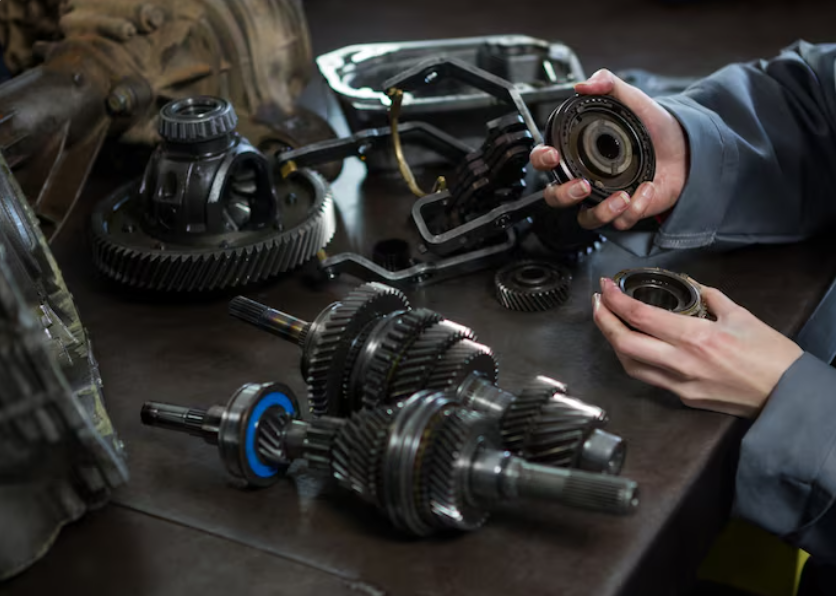
Traditional manual gearboxes rely on precisely manufactured gears, synchronizers, bearings, and clutch assemblies. Their effectiveness depends on accurate mechanical engineering and careful coordination between components.
In electric vehicles, software-controlled systems can reproduce selected characteristics of these mechanisms through sensors, electronic actuators, and motor management technology.
This combination creates opportunities to develop highly customizable driving experiences.
For example, manufacturers could allow drivers to choose between smooth automatic operation and an interactive simulated manual mode.
Such flexibility could attract both traditional enthusiasts and drivers interested in advanced electric mobility.
Challenges of Bringing Manual Shifting to EVs
Despite growing interest, incorporating manual-style shifting into electric vehicles presents several challenges.
Efficiency considerations: Conventional multi-speed gearboxes introduce mechanical complexity and potential energy losses that may provide limited benefits for everyday EV driving.
Manufacturing costs: Additional hardware, electronic controls, and specialized development can increase production expenses.
Driver demand: While enthusiasts appreciate manual shifting, many consumers prefer the simplicity of automatic driving.
Authenticity: Simulated gear changes may not fully reproduce the physical sensations associated with traditional manual transmissions.
Manufacturers must balance emotional driving appeal with efficiency, reliability, and practical usability.
The Future of Driver Engagement
The future of manual transmissions in the electric era may involve several different approaches.
Some performance-oriented vehicles could incorporate specialized mechanical gearboxes, while others may rely entirely on software-generated shifting experiences.
Advanced vehicle electronics could also introduce personalized driving characteristics, allowing drivers to modify simulated gear ratios, clutch responses, and acceleration behavior.
These developments suggest that driving engagement will remain an important consideration even as automotive technology becomes increasingly automated.
Rather than disappearing completely, traditional driving principles may evolve into new forms suited to electric mobility.
Conclusion
The resurgence of mechanical precision in the EV era highlights the automotive industry’s ability to combine tradition with technological progress. Although electric vehicles generally do not require conventional manual transmissions, the desire for greater driver involvement continues to inspire innovation.
From simulated gear changes to specialized performance engineering, manufacturers are exploring ways to preserve the excitement of manual driving while maintaining the benefits of electric propulsion.
As electric mobility continues to evolve, mechanical precision and driver engagement may remain defining elements of the modern automotive experience.
Read More :Best Nanad Bhabhi Captions: 133 Heartfelt & Funny Ideas