
Introduction
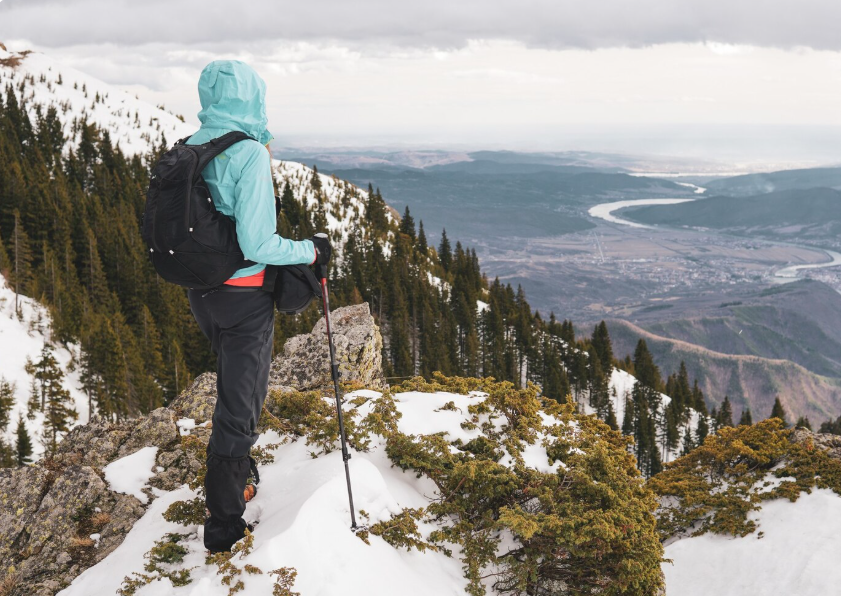
High-altitude trekking offers extraordinary opportunities to explore remote landscapes, towering mountain peaks, and breathtaking natural environments. However, trekking at higher elevations requires more than physical fitness and enthusiasm. Reduced oxygen availability, unpredictable weather, and limited access to medical facilities create challenges that demand careful preparation.
One of the most important aspects of high-altitude trekking is acclimatization, the natural process through which the body adjusts to lower oxygen levels. Understanding proper acclimatization protocols can help trekkers reduce the risk of altitude-related illnesses and improve their overall mountain experience.
Understanding the Effects of High Altitude
As elevation increases, atmospheric pressure decreases, reducing the amount of oxygen available with each breath. This change forces the body to make physiological adjustments to maintain normal functions.
Common initial responses include faster breathing, increased heart rate, disturbed sleep, and reduced exercise performance. Although these reactions can be expected, symptoms such as headaches, nausea, dizziness, and unusual fatigue may indicate acute mountain sickness (AMS).
Altitude illness can affect anyone, regardless of physical fitness or previous trekking experience. Therefore, gradual elevation gain and careful symptom monitoring are essential.
Follow Gradual Acclimatization Protocols
Proper acclimatization allows the body sufficient time to adapt before ascending to more demanding elevations.
Above approximately 3,000 meters, trekkers should generally limit increases in sleeping altitude to around 300–500 meters per day. An additional acclimatization day is commonly recommended for every 1,000 meters of sleeping elevation gained.
Important practices include:
- Ascend gradually: Avoid sudden increases in sleeping elevation.
- Schedule rest days: Include additional days for physiological adjustment.
- Climb high, sleep low: Take optional daytime walks to higher elevations while returning to a lower sleeping altitude.
- Monitor symptoms: Check regularly for headaches, nausea, dizziness, and unusual fatigue.
- Avoid forced progression: Never continue ascending when symptoms of altitude sickness are worsening.
These guidelines should be adjusted according to individual symptoms, route conditions, and medical advice.
Build Physical Fitness Before Departure
Although fitness cannot prevent altitude sickness, good physical conditioning makes demanding trekking routes easier to manage.
Trekkers should begin preparing several weeks or months before departure, depending on the difficulty of the expedition.
Cardiovascular exercises such as hiking, cycling, swimming, and running can improve endurance. Strength training targeting the legs, core, and back helps individuals carry backpacks and navigate uneven terrain.
Training hikes with a loaded backpack are particularly useful because they simulate actual trekking conditions.
Maintain Proper Hydration and Nutrition
High-altitude environments often increase fluid loss through breathing and physical activity. Maintaining adequate hydration supports general well-being, although drinking excessive water does not prevent altitude sickness.
Trekkers should drink according to thirst and environmental demands while monitoring for signs of dehydration.
A balanced diet containing carbohydrates, proteins, and healthy fats provides energy for long trekking days. Carbohydrate-rich meals may be particularly helpful during strenuous activity at altitude.
Alcohol and sedative medications should generally be avoided during acclimatization unless specifically advised by a healthcare professional.
Recognize Dangerous Altitude Illness Symptoms
Early recognition of altitude-related complications is essential, particularly in isolated mountain environments.
Acute mountain sickness may cause headaches, nausea, fatigue, and dizziness after recent altitude gain.
More serious complications include high-altitude cerebral edema (HACE) and high-altitude pulmonary edema (HAPE).
Warning signs include:
- Difficulty walking straight or maintaining coordination.
- Confusion, unusual behavior, or altered consciousness.
- Breathlessness at rest.
- Persistent cough accompanied by worsening breathing difficulty.
- Severe weakness or rapidly deteriorating symptoms.
Suspected HACE or HAPE requires immediate descent and emergency medical assistance. Supplemental oxygen and appropriate medication may be lifesaving where available. Trekkers with symptoms of altitude sickness should not ascend higher until symptoms have resolved.
Prepare for Remote Route Emergencies
Remote trekking routes often have limited communication networks, unpredictable weather, and restricted rescue access.
Before departure, trekkers should develop an emergency response plan that includes evacuation routes, communication procedures, and nearby medical facilities.
Essential equipment may include satellite communication devices, navigation tools, weather-appropriate clothing, emergency shelter, and first-aid supplies.
For particularly high or remote expeditions, discussing preventive medication such as acetazolamide with a qualified healthcare professional can be beneficial. Such medication should complement, not replace, gradual acclimatization.
Understand Weather and Environmental Challenges
Mountain weather can change rapidly, creating additional risks for trekkers navigating exposed terrain.
Sudden snowfall, strong winds, freezing temperatures, and reduced visibility may disrupt planned routes.
Checking reliable forecasts, carrying layered clothing, and allowing flexibility in the itinerary can help reduce environmental hazards.
Trekkers should also establish clear turnaround times and avoid pushing forward when conditions become unsafe.
Conclusion
Successful high-altitude trekking depends on careful planning, gradual acclimatization, physical preparation, and responsible decision-making.
By respecting elevation limits, recognizing warning signs, maintaining appropriate nutrition, and preparing for emergencies, trekkers can reduce avoidable risks.
Remote mountain routes reward patience and preparation. Prioritizing safety over reaching a summit helps make high-altitude adventures more enjoyable and sustainable.
Read More :Autonomous Fleet Logistics: The Invisible Backbone of Future Transit